How to Choose the Right Machined Plastic Components for Your Project
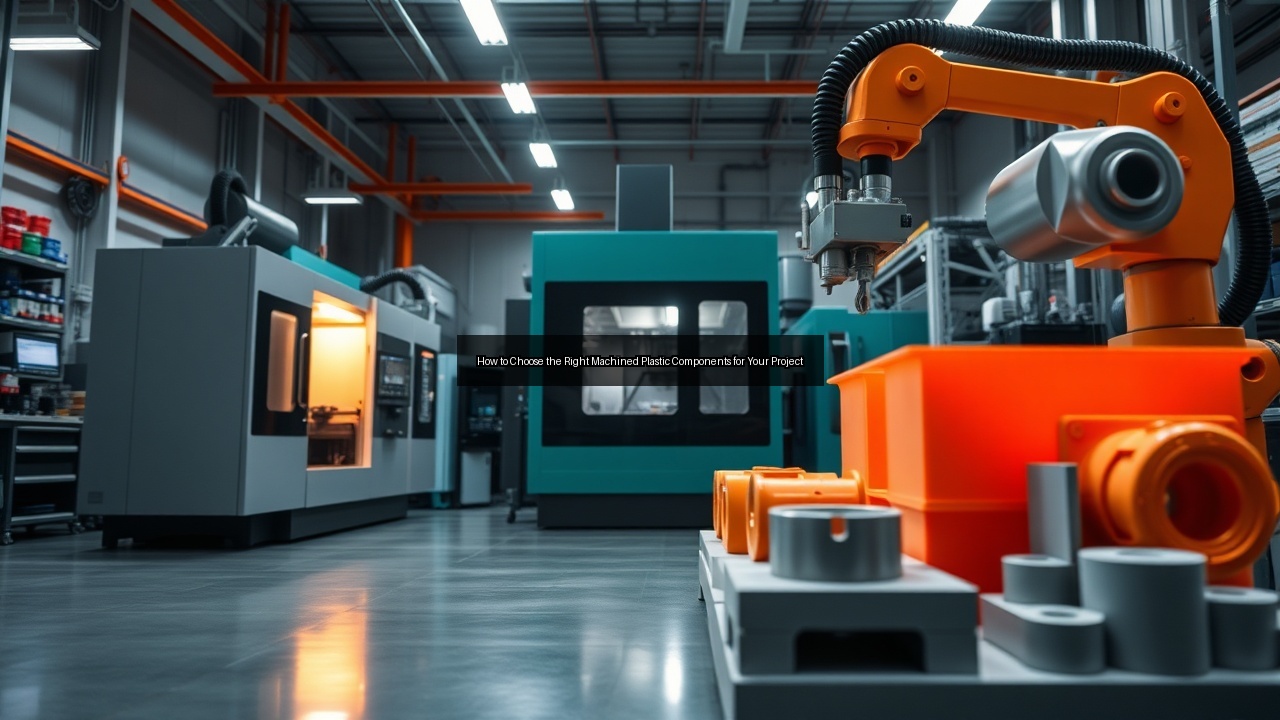
Understanding Machined Plastic Components
What are Machined Plastic Components?
Machined plastic components are precision-engineered parts crafted from various types of plastic materials using advanced machining techniques. These components play a crucial role in numerous applications across diverse industries, from automotive to medical devices. Unlike molded plastics, which undergo a more uniform shaping process, machined plastic parts are carved from cnc machined plastic parts larger blocks of material, allowing for greater precision and customization. The machining process ensures tight tolerances and specific dimensions, which are essential when creating parts that must fit seamlessly within plastic machined components complex assemblies.
The Role of CNC Machining in Plastic Fabrication
CNC (Computer Numerical Control) machining revolutionizes the fabrication of plastic components by automating the cutting, milling, and shaping processes. This technology allows for high precision and repeatability, making it ideal for producing machined plastic parts. CNC machinery operates on pre-programmed software, enabling machinists to create intricate designs with consistent accuracy. The ability to quickly modify designs and produce small to medium batch runs makes CNC machining an attractive option for manufacturers and engineers alike. As a result, CNC machined plastic components have become a staple in industries requiring reliable and durable parts.
Common Types of Engineering Plastics Used
Engineering plastics such as Nylon, Polycarbonate, and PEEK are widely machined plastic part used in the production of machined plastic components. Each type of plastic offers unique properties tailored to specific applications. For instance, Nylon provides excellent wear resistance and strength, making it suitable for gears and bearings. Polycarbonate offers high impact resistance, often found in safety glasses and protective equipment. PEEK stands out for its thermal stability and chemical resistance, ideal for aerospace and medical applications. Understanding the characteristics of these engineering plastics helps engineers select the right material for their machined components, ensuring durability and performance.
Key Considerations for Choosing Machined Plastic Components
Specifications: Dimensions and Tolerances
When selecting machined plastic components, precise specifications regarding dimensions and tolerances are paramount. Engineers must define the exact measurements required for their projects, as even minor deviations can affect the functionality of the final assembly. Tolerances refer to the permissible limits of variation in these dimensions, impacting how parts fit and operate together. High-tolerance components ensure reliability and prevent malfunctions in applications where precision is critical. Collaborating closely with machinists and manufacturers to clarify these specifications will yield the best results and enhance the overall quality of the project.
Surface Finishing and Treatment Options
The surface finish of machined plastic components impacts both aesthetics and performance. Various surface finishing and treatment options exist to enhance the look and functionality of the parts. Processes such as bead blasting, polishing, and chemical smoothing can create a desirable texture and appearance. Furthermore, surface treatments like coating or plating can increase the component's resistance to wear, chemicals, and UV exposure. Selecting the right surface finishing process can significantly improve the durability and performance of the machined plastic parts, making them more suitable for their intended applications.
Batch Production vs. Custom Orders
Deciding between batch production and custom orders is another crucial aspect of sourcing machined plastic components. Batch production offers advantages in cost-effectiveness for high-volume orders, as the setup costs are spread across numerous parts. Conversely, custom orders provide flexibility for unique designs and specifications needed for specialized applications. When selecting a manufacturer, consider whether they can accommodate both batch and custom orders efficiently. Understanding your project’s requirements will help you choose the most suitable production method, ensuring timely delivery and optimal quality for your machined components.
Evaluating Manufacturers and Suppliers
Selecting a Reliable CNC Machining Company
Choosing the right CNC machining company is vital for obtaining high-quality machined plastic components. Start by researching potential manufacturers to assess their reputation within the industry. Look for companies with proven experience in fabricating plastic components and a track record of successful projects. Reviews and testimonials from previous clients can provide insight into their reliability, customer service, and overall quality. A reputable manufacturer should also be willing to collaborate during the design and prototyping stages, ensuring your specifications are accurately interpreted and executed.
Assessing the Technology and Machinery Used
The technology and machinery used by a manufacturer directly affect the quality of the machined plastic parts. Advanced CNC machinery enables precision machining with tight tolerances, while older or less sophisticated machines may not deliver the same level of accuracy. Inquire about the types of machines the company employs and their capabilities concerning different plastics and complex geometries. Additionally, consider whether the manufacturer invests in ongoing training and upgrades for their staff and equipment. This commitment to technology and skill development often translates into better outcomes for your projects.
Importance of Quality Control and Testing
Quality control and testing are essential factors in the production of machined plastic cnc machined plastic parts components. A reliable manufacturer implements stringent quality assurance procedures to ensure that every part meets the required specifications and tolerances. Inquire about their quality control processes, which may include inspection techniques, automated testing, and certifications. Manufacturers should be willing to provide documentation demonstrating adherence to industry standards. Regular testing of the final components, such as stress tests and dimensional checks, guarantees that the parts perform reliably in their intended applications, reducing the risk of failures down the line.
Applications and Trends in Machined Plastic Components
Innovative Uses of Plastic Machined Parts in Robotics
Machined plastic components find innovative applications in the field of robotics. As robots become more sophisticated, the demand for lightweight yet durable parts increases. Engineering plastics such as Nylon and Polycarbonate are ideal for creating components like gears, housings, and structural supports that withstand wear while minimizing weight. The versatility of these materials fosters advancements in robotic designs, enabling more agile and efficient machines. From industrial automation to personal assistants, the role of machined plastic parts in robotics continues to expand, driving innovation and improving functionality.
Future Trends in Machined Plastics and Composites
The future of machined plastics and composites looks promising, driven by technological advancements and evolving industry needs. The integration of smart materials and composites into machining processes opens new opportunities for creating advanced components with enhanced properties. Trends indicate a growing focus on sustainable practices, including the use of recycled plastics and eco-friendly manufacturing methods. As industries seek to reduce their environmental footprint, the demand for innovative, sustainable machined plastic solutions will likely increase. Staying abreast of these trends ensures that engineers and manufacturers can adapt to changing market needs and continue to deliver high-quality components.