The Benefits of Industrial Dehumidification in the Pharmaceutical Industry
Understanding the Role of Dehumidification in the Pharmaceutical Industry
Importance of Climate Control in Pharmaceutical Manufacturing
Climate control plays a critical role in pharmaceutical manufacturing. This industry demands stringent environmental conditions to ensure the efficacy and safety of medications. A stable climate prevents fluctuations that can adversely affect the production process, storage, and quality of pharmaceutical products. Industrial dehumidifiers serve as essential tools in this regard, managing humidity levels to create optimal conditions for manufacturing. By regulating humidity, these devices minimize the risk of contamination and degradation, ensuring that sensitive formulations remain stable throughout their lifecycle.
Effects of Air Moisture on Drug Quality
Air moisture significantly impacts drug quality, influencing both the physical properties and chemical stability of pharmaceutical products. High humidity can lead to clumping, caking, or even chemical reactions that degrade drug efficacy. Moisture can also promote microbial growth, posing serious health risks. A well-implemented dehumidification dehumidifiers for industrial locations strategy reduces air moisture, thereby safeguarding the integrity of active pharmaceutical ingredients (APIs) and ensuring that finished products meet regulatory standards. Ultimately, maintaining optimal humidity levels enhances product reliability and consumer safety.
How Dew Points Influence Product Stability
Dew points serve as an essential metric in the pharmaceutical industry, indicating the temperature at which air becomes saturated with moisture. Understanding and controlling dew points is crucial for maintaining product stability. When dew points exceed acceptable levels, condensation can occur on production equipment and packaging materials, leading to contamination. Industrial dehumidifiers help maintain dew points within safe thresholds, ensuring that products remain stable and free from moisture-related defects. By focusing on these parameters, pharmaceutical companies can optimize product quality and extend shelf life.
Advantages of Using Industrial Dehumidifiers
Enhancing Product Shelf Life
Industrial dehumidifiers significantly enhance product shelf life by controlling moisture levels throughout the manufacturing and storage processes. Many pharmaceutical products, particularly those in powder form, are highly sensitive to humidity. Excess moisture can lead to degradation and reduced potency over time. By implementing dehumidification systems, companies can prolong the effective lifespan of their products, reducing waste and increasing profitability. This becomes increasingly important in a competitive market, where product quality directly influences consumer trust and regulatory compliance.
Promoting Consistency in Production Processes
Consistency in production processes is vital for the pharmaceutical industry. Even minor variations in humidity can lead to discrepancies in product formulation and quality. Industrial dehumidifiers stabilize humidity levels, promoting uniform conditions across manufacturing environments. This consistency ensures that each batch of medication meets the same high standards, reducing the risk of defects. Furthermore, reliable production conditions facilitate smoother operations and minimize downtime, allowing companies to meet demand while maintaining their reputation for quality.
Impact on HVAC Efficiency and Cost Savings
Efficient HVAC systems are crucial for maintaining climate control in pharmaceutical facilities. Industrial dehumidifiers optimize HVAC performance by reducing the workload on air conditioning systems. When humidity levels are controlled effectively, HVAC units can operate more efficiently, leading to lower energy consumption and reduced operational costs. These savings can be significant, especially in large-scale operations. Additionally, an efficient HVAC system contributes to a healthier work environment, benefiting both employees and the overall productivity of the facility.
Types of Industrial Dehumidifiers and Their Applications
Desiccant Dehumidifiers vs. Refrigerant Dehumidifiers
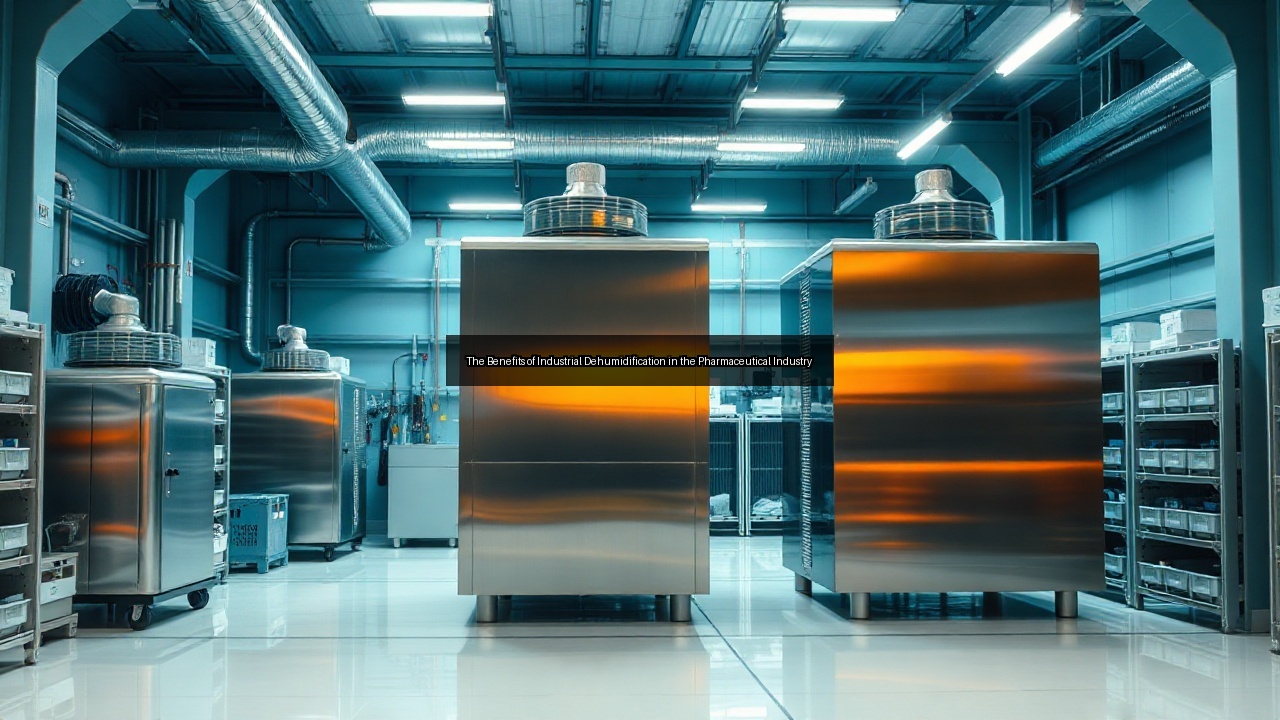
Industrial dehumidifiers come in two primary types: desiccant and refrigerant. Desiccant dehumidifiers use hygroscopic materials to absorb moisture from the air, making them particularly effective in low-temperature environments. They excel in applications where humidity control is critical, such as in the pharmaceutical and electronics industries. Refrigerant dehumidifiers, on the other hand, rely on cooling coils to condense moisture from the air. They are more suitable for higher humidity levels and larger spaces. Selecting the right type depends on specific operational needs, including temperature, humidity levels, and the nature of the products being manufactured.
Selecting the Right Dehumidifier for Different Pharmaceutical Environments
Choosing the right industrial dehumidifier requires careful consideration of various factors. The size of the facility, the specific humidity requirements, and the characteristics of the products being manufactured all influence this decision. For example, sterile environments may necessitate desiccant dehumidifiers that can maintain extremely low humidity levels. Conversely, larger facilities dealing with bulk production might benefit from refrigerant dehumidifiers due to their capacity to manage high moisture loads efficiently. An informed choice leads to enhanced product quality and operational efficiency.
Integration with Blower Systems for Optimal CFM
Integration of industrial dehumidifiers with blower systems is crucial for achieving optimal industrial-grade dehumidifers cubic feet per minute (CFM) airflow. Proper airflow ensures that moisture is effectively removed from the air while maintaining uniform humidity levels throughout the facility. An efficient blower system enhances the performance of dehumidifiers, ensuring that air circulates evenly and reaches all corners of the production area. This integration not only maximizes dehumidification efficiency but also contributes to energy savings, reinforcing the overall sustainability of the manufacturing process.
Troubleshooting and Maintenance of Industrial Dehumidification Systems
Common Issues and Solutions in Dehumidifying Operations
Like any industrial system, dehumidifiers can encounter common issues that require prompt troubleshooting. Frequent cycling, inadequate moisture removal, and unusual noises are commonplace problems. Identifying these issues early can prevent costly downtime. Solutions range from simple adjustments, such as recalibrating humidity settings, to more complex repairs like replacing worn components. Regular monitoring and proactive maintenance can mitigate these challenges, ensuring the dehumidification system operates efficiently and effectively throughout its lifespan.
Regular Maintenance Practices for Longevity
Regular maintenance of industrial dehumidifiers is essential for longevity and optimal performance. This includes routine inspections, cleaning filters, and checking for leaks or corrosion. Keeping the system in top condition prevents operational failures and extends the equipment's lifespan. Establishing a maintenance schedule that includes examining humidity sensors and ensuring proper electrical connections can greatly enhance reliability. A well-maintained dehumidification system not only performs better but also contributes to overall operational efficiency in the pharmaceutical facility.
Monitoring Performance Metrics in Pharmaceutical Settings
Monitoring performance metrics is vital for ensuring the effectiveness of industrial dehumidification systems. Key metrics include humidity levels, energy consumption, and airflow rates. By continuously tracking these parameters, pharmaceutical companies can identify trends and make necessary adjustments to optimize system performance. Advanced monitoring technologies enable real-time data analysis, facilitating quicker responses to any deviations from desired conditions. This proactive approach not only protects product quality but also enhances overall operational efficiency within the manufacturing environment.