The Impact of Humidity on Product Quality in Commercial Environments
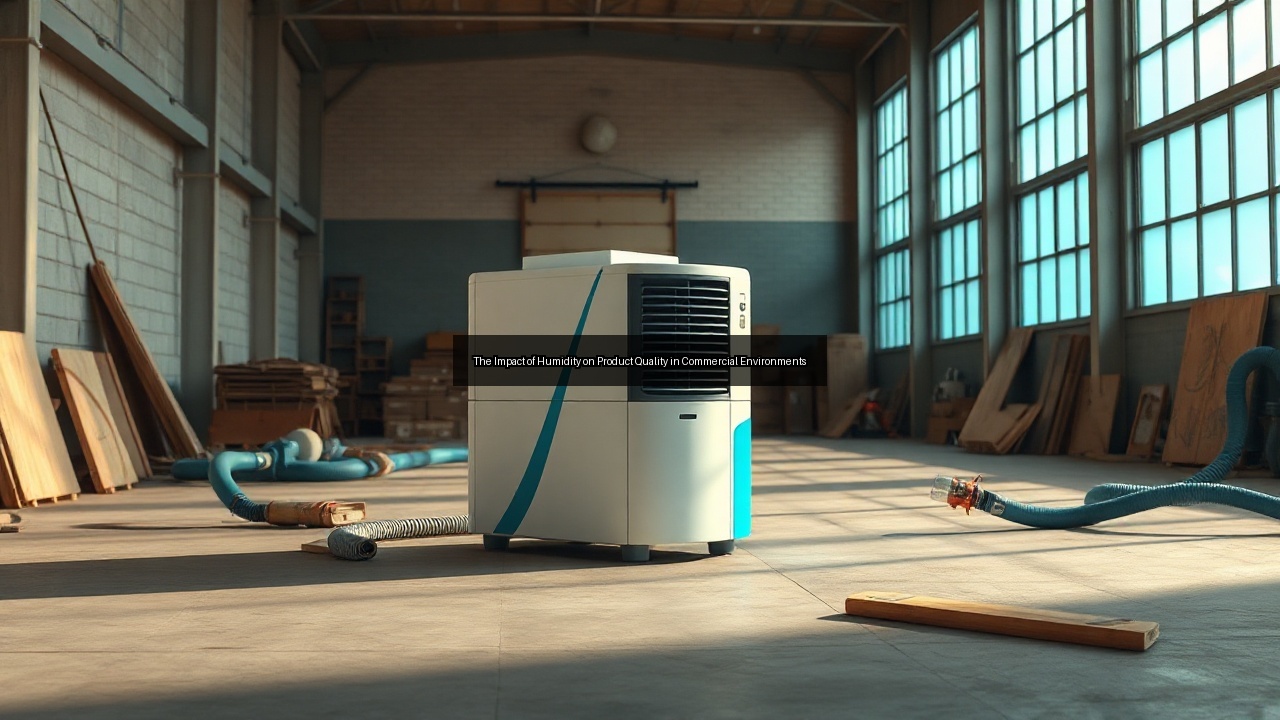
Understanding Humidity and Its Effects on Product Quality
The Science of Humidity: What You Need to Know
Humidity refers to the amount of moisture present in the air, typically expressed as a percentage. High humidity levels can significantly influence various commercial products, leading to spoilage, degradation, and even loss of integrity. When humidity rises above optimal levels, it can create an environment conducive to mold growth and mildew, which can ruin food products, electronics, and textiles. Conversely, low humidity can lead to excessive drying and brittleness in materials, impacting their quality and usability. Understanding the science behind humidity is essential for businesses aiming to maintain product quality, as moisture levels directly correlate with air flow and temperature control.
How Humidity Affects Different Types of Products
Different products respond uniquely to humidity variations. For instance, in the food industry, excess moisture can accelerate spoilage and mold growth, necessitating effective humidity control solutions. In the realm of construction, high humidity can delay drying times for materials like concrete and paint, affecting project timelines and costs. Additionally, electronics are sensitive to moisture; high humidity can lead to corrosion and failure of components. Textiles dehumidifiers for commercial also suffer when exposed to high humidity, as fibers can absorb moisture, leading to discoloration and weakened integrity. Understanding how humidity affects specific products empowers businesses to implement effective measures for quality assurance.
The Role of Temperature in Humidity Control
Temperature plays a crucial role in humidity control. Warm air holds more moisture than cold air, which means that as temperatures rise, the potential for humidity levels to increase also rises. This relationship becomes particularly important in commercial environments, where maintaining a stable temperature can help regulate humidity levels. Effective humidity control often involves the integration of HVAC systems, which can regulate both temperature and moisture levels simultaneously. Maintaining a consistent temperature not only aids in effective dehumidification but also ensures that products remain within their optimal storage conditions, ultimately preserving their quality and extending their shelf life.
The Importance of Commercial Dehumidifiers in Various Industries
Dehumidification in Warehouses: Protecting Inventory
Warehouses serve as critical storage spaces for a variety of products, from food items to delicate electronics. High humidity can wreak havoc on inventory, causing damage that leads to significant financial losses. Commercial dehumidifiers play a vital role in these settings by removing excess moisture from the air, thus preventing mold growth, rust, and decay. A well-selected commercial dehumidifier unit can handle substantial pints of moisture daily, ensuring that the air remains dry and conducive to preserving product integrity. By implementing effective dehumidification strategies, warehouse managers can protect their inventory and maintain a stable environment for long-term storage.
The Role of Dehumidifiers in Construction Projects
In construction, managing humidity levels is essential to ensure quality workmanship and timely project completion. High moisture levels can hinder the drying process of materials like concrete and plaster, leading to costly delays. Commercial dehumidifiers provide essential support by actively reducing humidity levels, allowing materials to cure properly and preventing issues such as mold growth. The right dehumidifier can dehumidifiers for commercial handle significant moisture removal while allowing air flow to remain consistent throughout the construction site. By incorporating commercial dehumidifiers, contractors ensure that projects progress smoothly and that the finished structures meet quality and safety standards.
Humidity Control in Spas and Other Commercial Spaces
Spas and wellness centers create environments meant for relaxation and rejuvenation, which can be compromised by high humidity levels. Excess moisture can lead to discomfort for patrons and create breeding grounds for mold and mildew, jeopardizing the health standards of these facilities. Commercial dehumidifiers are essential for controlling humidity in these spaces, ensuring a comfortable atmosphere while maintaining hygiene. These units can efficiently manage moisture, allowing for better air quality and a more enjoyable experience for clients. Additionally, effective humidity control prevents damage to the facility itself, preserving the structural integrity and aesthetic appeal of the spa.
Choosing the Right Commercial Dehumidifier for Your Needs
Key Features to Look For: Energy Star Ratings and CFM
Selecting an appropriate commercial dehumidifier requires careful consideration of several key features. One crucial factor is the Energy Star rating, which indicates energy efficiency and potential cost savings. A unit with a high Energy Star rating minimizes operational costs while effectively managing humidity. Additionally, understanding CFM (cubic feet per minute) is vital, as it measures the airflow the unit can handle. Choosing a dehumidifier with suitable CFM ensures that it can adequately service the space in question, removing sufficient moisture to maintain optimal humidity levels. Evaluating these features helps businesses make informed decisions tailored to their specific needs.
Understanding Pump and Hose Options
Commercial dehumidifiers come with various pump and hose options, affecting how moisture is removed and managed. A unit with a built-in pump can automatically expel collected moisture to a designated drain, reducing the need for manual intervention. Alternatively, some models rely on gravity drainage, which may require positioning near a floor drain. Hose length and flexibility also matter, as longer hoses can facilitate draining from hard-to-reach areas. Understanding these options enables businesses to select a dehumidifier that aligns with their operational setup, enhancing efficiency and ease of use in moisture management.
Sound Pressure Levels: What to Expect
Sound pressure levels are an often-overlooked aspect when choosing a commercial dehumidifier. Depending on the environment, excessive noise may become a concern, particularly in spaces like offices, spas, or residential areas. Commercial dehumidifiers vary widely in their noise output, with some units designed to operate quietly while still performing effectively. When selecting a dehumidifier, consider the sound pressure level (SPL) to ensure it meets the acoustic comfort requirements of the space. A quieter unit may be worth the investment, especially in environments where client experience or employee productivity could be impacted by noise.
Best Practices for Maintaining Ideal Humidity Levels
Integrating Dehumidifiers with HVAC Systems
Integrating commercial dehumidifiers with existing HVAC systems can enhance overall humidity control significantly. By allowing these systems to work together, businesses can maintain consistent temperature and humidity levels throughout their facilities. This integration enables more efficient moisture removal, reducing the load on HVAC units and improving energy efficiency. Moreover, it ensures that air circulation remains optimal, preventing stagnant air pockets that can lead to mold growth. Regular maintenance of both dehumidifiers and HVAC systems is essential to ensure they function effectively and provide the desired humidity control.
Monitoring Humidity Levels: Tools and Techniques
Effectively managing humidity levels requires proper monitoring. Various tools and techniques exist to measure humidity accurately, such as hygrometers and digital humidity sensors. Regularly checking humidity levels allows businesses to adjust their dehumidification strategies as needed, responding promptly to fluctuations that could affect product quality. Automated systems can provide real-time data, alerting managers to potential issues before they escalate. Implementing a proactive monitoring approach helps maintain ideal humidity levels, ensuring optimal conditions for inventory, equipment, and overall operational efficiency.
Responding to Flooding and Mold Prevention
Flooding poses a severe threat to commercial spaces, leading to rapid increases in humidity levels that can cause extensive damage and mold growth. Responding swiftly to flooding situations is critical. Commercial dehumidifiers become invaluable in these scenarios, enabling the quick removal of excess moisture. It's essential to act promptly to mitigate the risk of mold development, which can take hold within 24 to 48 hours in wet conditions. Additionally, maintaining a regular cleaning and inspection schedule can prevent mold from taking root in the first place. Businesses should implement comprehensive disaster recovery plans that include humidity control measures to safeguard against flooding and mold damage.