How Wisconsin's CNC Machining Centers Are Revolutionizing the Automotive Industry
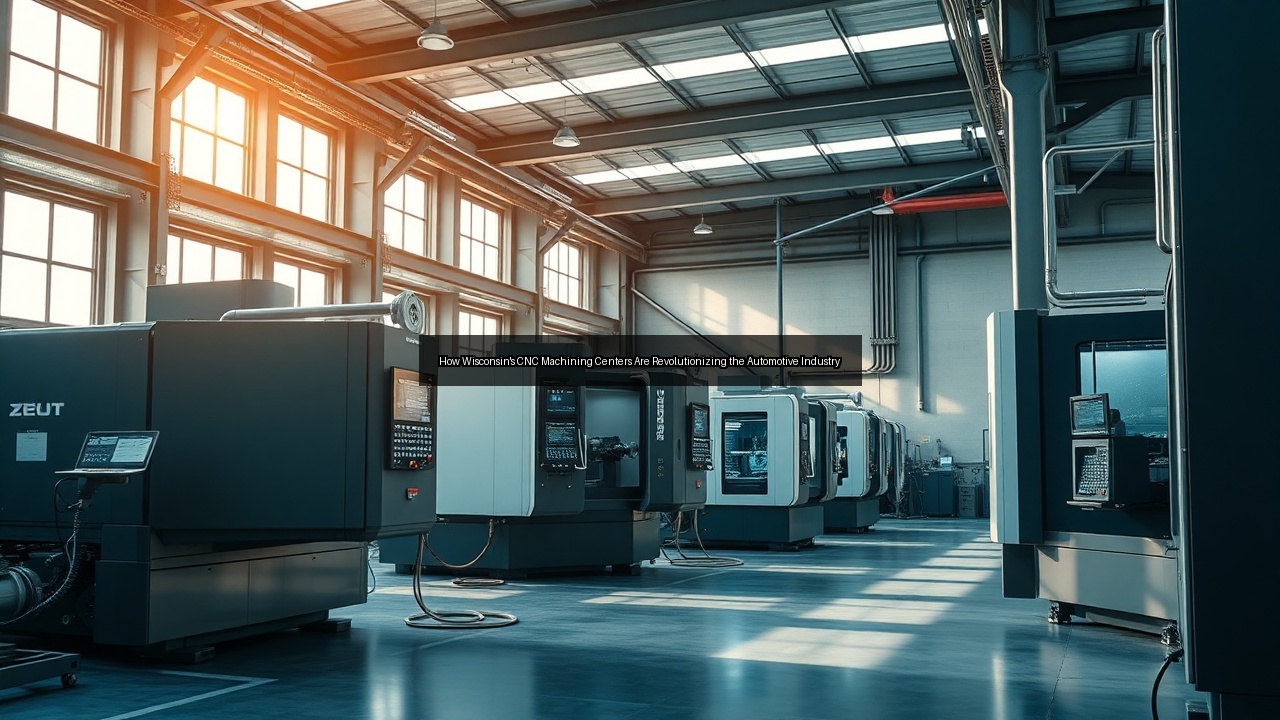
The Rise of CNC Machining in Wisconsin's Automotive Industry
Overview of CNC Machining
CNC machining drives modern production by automating tool movements through computer programs that cut, shape, and finish metal parts with repeatable precision. Operators load designs into software that guides high-speed spindles across multiple axes, creating complex geometries without manual intervention. Wisconsin swiss precision machining stands out because local shops combine traditional turning with advanced controls to deliver tight tolerances on engine blocks, transmission housings, and suspension components. Facilities invest in multi-axis equipment that handles both prototype runs and high-volume orders, shortening lead times for automotive suppliers. This approach replaces older manual methods that introduced human error and inconsistent results across batches.
Importance of Precision in Automotive Manufacturing
Automotive parts must meet exact dimensional specs to ensure engines run efficiently, brakes respond instantly, and safety systems activate without fail. Even minor deviations in machined surfaces can cause vibration, leakage, or premature wear that leads to costly recalls. CNC turning and milling centers achieve tolerances measured in microns, allowing manufacturers to maintain consistent fit across thousands of vehicles. Wisconsin shops apply swiss cnc machining techniques to produce valve seats, fuel injectors, and gear shafts that withstand extreme temperatures and pressures. Accurate components also reduce assembly time on production lines because workers spend less effort correcting misalignments during final vehicle build.
The Role of Wisconsin in Precision Machining
Wisconsin has built a dense network of contract manufacturers skilled in custom precision machining for the automotive sector. Companies such as McCormick Industries operate advanced cells that integrate cnc lathes, cnc milling machines, and thread rolling stations under one roof. These operations support just-in-time delivery to Detroit and Midwest assembly plants by maintaining large inventories of swiss machined components. Local expertise in deburr and polish processes removes sharp edges and improves surface finishes that affect both performance and appearance. The state's workforce training programs supply skilled machinists who keep equipment running at peak efficiency, helping Wisconsin capture a growing share of North American automotive component work.
Technological Advancements in CNC Machining Centers
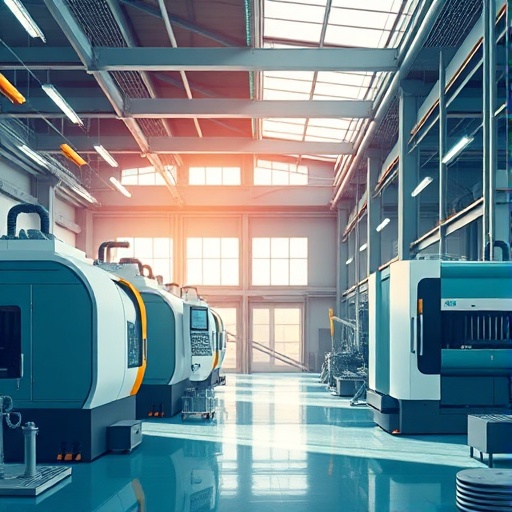
Overview of CNC Machining Centers
Modern cnc machining centers combine milling, drilling, and tapping functions in single setups that reduce handling and improve part consistency. Horizontal and vertical models accommodate parts ranging from small brackets to large transmission cases. Wisconsin facilities equip these centers with automatic tool changers and probing systems that verify dimensions mid-cycle, catching errors before they multiply. The centers accept CAD files directly, allowing rapid program adjustments when design revisions arrive from automotive engineers. This flexibility supports both legacy vehicle platforms and next-generation electric drivetrains requiring new mounting geometries.
Comparison of CNC Lathes and CNC Milling Machines
CNC lathes rotate the workpiece while fixed tools create cylindrical features such as shafts, bushings, and pistons. CNC milling machines move the cutting tool across stationary material to generate flat surfaces, pockets, and contours. Wisconsin shops pair both machine types in cells that finish complex automotive brackets in one flow. Lathes excel at high-volume round parts, while milling centers handle prismatic housings with multiple mounting holes. Swiss-style lathes add a guide bushing that supports slender stock, enabling longer, thinner components without deflection and delivering the accuracy demanded by fuel system manufacturers.
Innovations in Swiss Machining Technology
Swiss machining centers now feature live tooling, sub-spindles, and bar feeders that complete parts in a single operation. These machines maintain guide-bush support close to the cutting zone, allowing extreme length-to-diameter ratios that conventional lathes cannot achieve. Wisconsin swiss precision machining providers use the latest models to produce fuel rails, sensor housings, and hydraulic fittings with minimal secondary operations. Software advances let operators simulate tool paths and optimize chip loads before metal is cut, shortening setup times and extending tool life. The result is faster throughput and lower per-piece costs for automotive Tier 1 suppliers seeking reliable domestic sources.
Applications of Wisconsin's CNC Machining in Various Industries
Automotive Industry Applications
Wisconsin machining centers produce engine mounts, brake caliper pistons, and steering knuckles that meet stringent automotive quality standards. Shops run lights-out production on cnc lathes equipped with bar feeders to keep costs competitive against overseas suppliers. Custom precision machining allows rapid iteration on electric vehicle battery enclosures and motor housings that require both strength and light weight. Local capability in thread rolling and welding reduces the need to ship parts elsewhere for secondary work, compressing the supply chain and improving responsiveness to design changes from OEMs.
Aerospace Industry Contributions
The same Wisconsin facilities that serve automotive customers also machine aerospace components such as landing gear fittings and actuator bodies. Strict traceability requirements align with automotive IATF 16949 processes already in place, letting shops qualify for both sectors with minimal additional certification. CNC milling machines create thin-wall structures from titanium and aluminum that reduce aircraft weight while preserving structural integrity. Swiss cnc machining produces precision pins and bushings used in flight control linkages where failure is not an option. This dual-market presence stabilizes shop utilization during automotive production cycles.
Electronics and Telecommunications Sector
Electronics manufacturers rely on Wisconsin shops for machined enclosures, heat sinks, and connector bodies that shield sensitive circuits from electromagnetic interference. Optics firms order custom mounts and alignment fixtures machined to sub-micron flatness on precision milling centers. Telecommunications equipment needs waveguide components and antenna brackets produced on cnc machining centers that maintain tight perpendicularity. These non-automotive applications diversify revenue for Wisconsin swiss precision machining companies and keep high-tech equipment utilized during slower automotive seasons.
Benefits of Utilizing Swiss Precision Machining in Automotive Manufacturing
Enhanced Accuracy and Tolerances
Swiss-style machines hold diameters and lengths within a few microns across long production runs, eliminating variation that causes assembly problems downstream. Guide-bush support prevents whip on small-diameter stock, delivering straightness that standard cnc lathes struggle to match. Wisconsin operators document every tool offset and inspection result, giving automotive customers full process capability data required for PPAP submissions. This level of control reduces scrap and prevents warranty claims linked to out-of-spec parts reaching the assembly line.
Reduction of Waste and Cost Efficiency
Single-setup machining on swiss centers minimizes material handling and eliminates fixture costs associated with multiple operations. Bar feeders process entire coils or lengths of stock with almost no remnant waste, lowering raw material expense. Wisconsin shops recycle chips from aluminum and steel operations, further improving margins. Reduced setup time between jobs allows smaller batch sizes without cost penalties, supporting just-in-time delivery models that automotive plants now demand. Overall, these efficiencies translate into lower piece prices while maintaining the quality levels required for safety-critical components.
Improvement in Product Quality and Performance
Superior surface finishes from swiss machining reduce friction in moving assemblies such as fuel pumps and turbochargers, extending service life. Consistent thread quality from integrated thread rolling stations prevents leaks in fluid systems and simplifies torque-to-yield fastening during vehicle assembly. Wisconsin facilities apply in-process deburr and polish steps that remove burrs that could dislodge and damage downstream components. The cumulative effect appears in higher first-pass yield at customer plants and fewer field failures once vehicles reach owners.
Future Trends in CNC Machining and Its Impact on Wisconsin's Automotive Sector
Emerging Technologies in CNC Machining
Artificial intelligence now monitors spindle loads and vibration signatures in real time, predicting tool wear before dimensional drift occurs. Wisconsin shops test adaptive control systems that automatically adjust feed rates to maintain target chip loads across varying material batches. Five-axis cnc machining centers with integrated laser scanning verify parts without removing them from the fixture, shortening inspection cycles. These technologies keep Wisconsin competitive as automotive designs incorporate more complex geometries for weight reduction and performance gains.
Sustainability and Environmental Considerations
Modern coolant filtration systems and chip conveyors allow Wisconsin facilities to reuse fluids for months rather than days, cutting disposal costs and environmental impact. Energy-efficient spindles and servo drives reduce electricity consumption per part. Manufacturers explore dry machining techniques on certain aluminum grades to eliminate coolant altogether. These practices align with automotive OEM sustainability targets and position Wisconsin swiss precision machining providers as responsible partners in the supply chain.
The Future of Custom Precision Machining
Digital thread integration will link design software directly to shop-floor machines, enabling near-instant quoting and scheduling for custom precision machining projects. Wisconsin companies invest in workforce development that pairs traditional machining knowledge with data analytics skills. As electric and autonomous vehicles introduce new part families, local shops already equipped with swiss machining centers and multi-axis milling capacity stand ready to capture emerging work. Continued investment in high-tech equipment ensures the state remains a key contributor to North American automotive manufacturing for decades ahead.
See Also
- From Lathes to Laser Cutting Discover Wisconsin's High-Tech Swiss Machining Landscape
- Unlocking the Future of Wisconsin Swiss Precision Machining in Aerospace Innovation
- The Art of Precision Crafting Swiss Machined Components in Wisconsin
- Mastering Accuracy and Tolerances in Wisconsin's Swiss Precision Machining Sector