How Workholding Tools Can Transform Your CNC Machine Tool Performance
The Importance of Workholding Fixtures in CNC Machining
Understanding Workholding Solutions
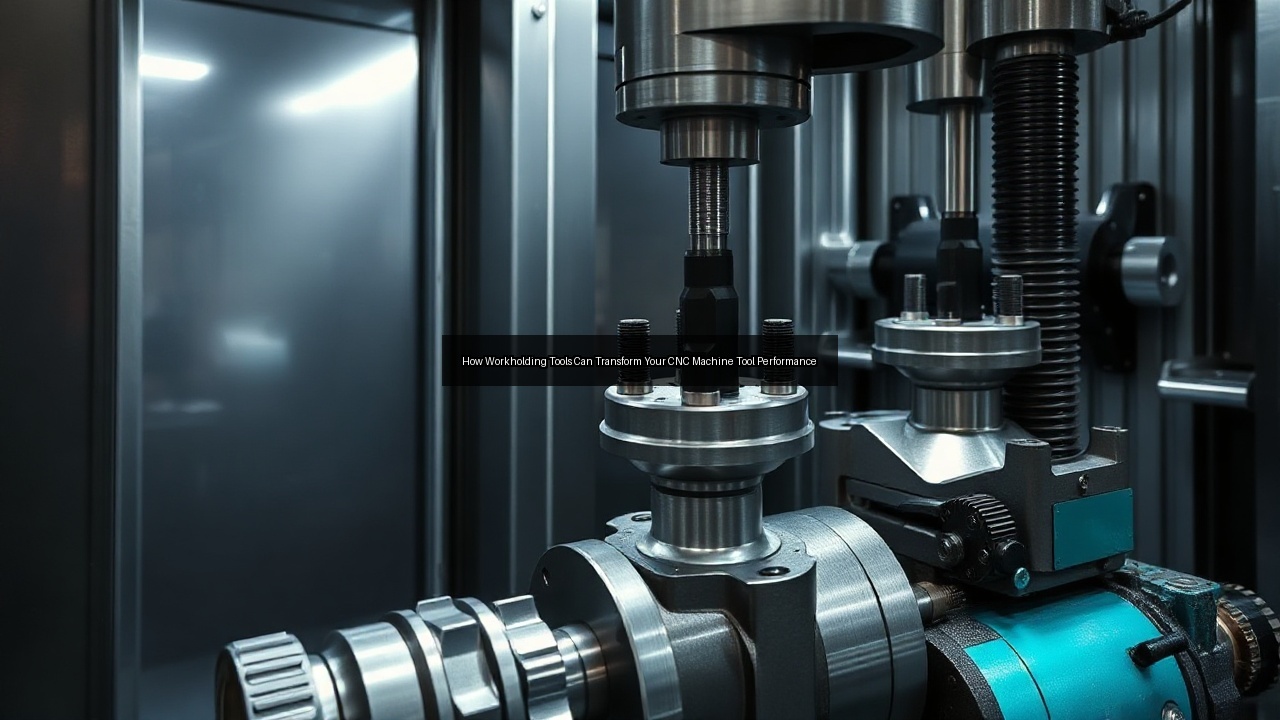
Workholding fixtures secure raw stock firmly during milling and drilling operations on cnc machine tools. Operators rely on these holding fixtures to maintain consistent positioning across multiple setups. Effective workholding solutions reduce vibration and prevent part movement under cutting force. Manufacturers select jigs and fixtures based on material type and part geometry. Proper workholding tools integrate with existing cnc machine tool spindles for seamless workflow. Shops that invest in tailored workholding fixtures report fewer scrapped components and higher repeatability in fabrication process runs. Understanding the mechanics behind each fixture helps machinists match the right system to specific metal working demands. Custom designs often combine clamps, locators, and supports to handle complex shapes without deflection. This foundation supports everything from prototype runs to high-volume production.
The Role of Fixtures in CNC Machine Tools
Fixtures guide the cutting tool path while holding the workpiece steady on cnc machine tools. They eliminate manual adjustments between cycles and maintain tight tolerances throughout machining. In milling applications, a rigid fixture prevents chatter that ruins surface finish. CNC machining benefits when fixtures align parts precisely to programmed coordinates. Tooling changes happen faster because operators trust the fixture location every time. Aerospace shops use modular fixtures to switch between different bracket designs without recalibrating the entire cnc machine tool. The fixture also distributes cutting force evenly, protecting both the part and the machine spindle. Without reliable fixtures, even advanced cnc controls cannot deliver expected accuracy. Shops that standardize on proven fixture designs cut setup time dramatically and improve overall equipment effectiveness.
Types of Workholding Tools and Their Applications
Workholding tools range from simple vises to advanced hydraulic systems used in metal working. Manual jigs suit low-volume drilling and milling jobs where quick changes matter most. Hydraulic workholding fixtures apply consistent force across multiple parts in a single setup. Vacuum systems hold thin sheets flat during high-speed machining without surface marks. Magnetic chucks secure ferrous materials for grinding and light milling operations. Additive manufacturing now produces custom jigs through fdm and sls processes, allowing rapid iteration of fixture designs. Each type addresses different requirements in cnc machining, from heavy roughing to delicate finishing. Shops evaluate part size, material, and required speed when choosing between these options. Matching the correct workholding fixture to the job maximizes machine utilization and part quality.
Enhancing Accuracy and Speed with Workholding Systems
Precision in Metal Working
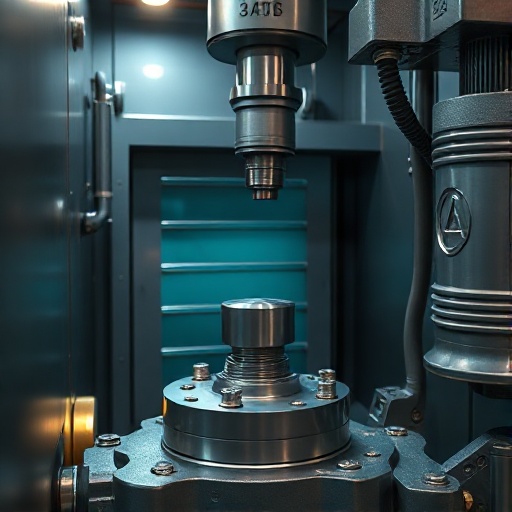
Workholding fixtures deliver the accuracy required for tight-tolerance metal working parts. Locating pins and datum surfaces ensure every workpiece sits in the same position relative to the cnc machine tool spindle. This consistency translates directly into better dimensional control during milling and drilling. Hydraulic fixtures maintain clamping force without operator fatigue, eliminating variation caused by manual tightening. Vacuum workholding systems flatten large panels that would otherwise distort under their own weight. When fixtures hold parts rigidly, cutting parameters can increase without sacrificing finish or accuracy. Precision grinding and boring operations depend entirely on stable workholding to meet aerospace specifications. Shops that document fixture repeatability achieve higher first-article acceptance rates and reduce inspection time. The relationship between fixture rigidity and final part accuracy remains one of the most direct ways to improve cnc machining outcomes.
Boosting Machining Speed with Effective Fixtures
Well-designed workholding fixtures allow faster feed rates and deeper cuts on cnc machine tools. Secure clamping reduces vibration, letting operators push spindle speeds higher during milling. Multi-part fixtures process several components in one cycle, cutting non-cutting time significantly. Automated pallet changers paired with quick-change workholding systems keep machines running through breaks and shift changes. In drilling applications, dedicated jigs guide tools accurately at higher rpm without wander. Shops that optimize fixture layout often double throughput on existing cnc machine tools. Reduced setup time compounds these gains, freeing capacity for additional jobs. Effective workholding also protects tooling by preventing sudden part movement that can break inserts. The speed advantage grows when fixtures support lights-out machining strategies common in modern manufacturing.
Comparing Hydraulic and Vacuum Workholding Solutions
Hydraulic workholding fixtures deliver high clamping force for heavy milling and roughing operations. They hold large castings securely while allowing aggressive material removal rates on cnc machine tools. Vacuum systems excel with thin or delicate parts that hydraulic clamps would distort. Vacuum tables spread force evenly across the entire surface, supporting high-speed finishing passes without marking. Hydraulic setups require pumps and hoses but offer modular configurations for different part families. Vacuum solutions need clean, flat surfaces and good seals but change over quickly between jobs. Many shops combine both technologies on the same cnc machine tool to handle diverse work. The choice depends on part stiffness, required force, and cycle time targets. Proper selection between hydraulic and vacuum workholding directly affects both accuracy and overall machining speed.
Innovations in Workholding Technology
Automation in Workholding Tools
Automated workholding fixtures now integrate sensors and actuators directly with cnc controls. Robotic loading systems place parts into self-aligning jigs that clamp without manual intervention. This automation reduces operator exposure to cutting zones and shortens cycle times on high-volume lines. Smart fixtures monitor clamping force in real time and alert staff if pressure drops during machining. Palletized workholding systems move complete setups between machines while maintaining location accuracy. Additive processes like sla and fdm produce lightweight fixture components that speed robotic handling. Automation also enables consistent workflow across shifts, removing human variability from clamping sequences. Manufacturers adopting these technologies report measurable gains in spindle utilization and part consistency. The trend continues toward fully connected workholding that feeds data into overall equipment effectiveness dashboards.
The Impact of FDM and SLS on Fixture Design
Fdm and sls technologies allow rapid production of custom workholding fixtures without traditional machining. Engineers print complex internal channels for hydraulic lines or vacuum distribution directly into the fixture body. These methods cut lead time from weeks to days when developing new jigs for cnc machining projects. Printed fixtures often weigh less than aluminum equivalents, improving robot payload capacity during automated workflows. Design iterations happen quickly because changes require only updated cad models and reprinting. Shops combine printed locators with metal hardware for hybrid solutions that balance cost and durability. The ability to prototype fixture designs overnight accelerates process development in aerospace and medical manufacturing. Fdm and sls also support low-volume production of specialized holding fixtures that would be uneconomical to machine traditionally. This flexibility expands the range of parts that can run efficiently on existing cnc machine tools.
Future Trends in Workholding for Aerospace Manufacturing
Aerospace manufacturers demand workholding fixtures that handle exotic alloys while maintaining micron-level accuracy. Future systems will incorporate real-time force monitoring and adaptive clamping that adjusts during machining. Lightweight composite fixtures printed via sls will replace heavy steel jigs on large five-axis cnc machine tools. Integrated automation will allow single-operator cells to run multiple high-value parts with minimal intervention. Workholding solutions will also address thermal growth in titanium and Inconel parts through active cooling channels built into the fixture. Digital twins of workholding systems will simulate deflection and optimize designs before any metal is cut. These advances will further increase speed and repeatability in aerospace fabrication process environments. The continued evolution of workholding technology remains essential for meeting next-generation aircraft component requirements.
Economic Considerations: Cost vs. Performance
Analyzing Pricing for Workholding Fixtures
Pricing for workholding fixtures varies widely based on complexity, material, and automation level. Basic manual jigs cost far less than hydraulic or vacuum systems but limit throughput on cnc machine tools. Shops must weigh initial fixture cost against reduced setup time and scrap rates over the production run. Custom designs for aerospace parts often carry higher pricing yet deliver the accuracy needed for certification. Modular workholding solutions offer a middle path, allowing reconfiguration across multiple part numbers without full retooling. Transparent pricing models from suppliers help manufacturers forecast total ownership costs accurately. Evaluating fixture pricing requires looking beyond the purchase order to include maintenance, storage, and changeover expenses. Smart buyers request detailed quotations that itemize clamping components, locators, and any required automation interfaces.
Cost-Effective Solutions for CNC Machine Tool Efficiency
Cost-effective workholding fixtures improve cnc machine tool efficiency without requiring capital equipment purchases. Standardized base plates with interchangeable top tooling reduce the need for dedicated fixtures on every job. Shops that standardize on a few versatile workholding systems lower inventory costs while maintaining flexibility. Vacuum tables often prove economical for sheet metal work because they eliminate custom clamps entirely. Printed fdm fixtures provide low-cost options for prototype and low-volume runs where metal jigs would be overkill. Analyzing workflow bottlenecks reveals where modest investments in better holding fixtures produce the largest gains in machining speed. Many manufacturers recover fixture costs within weeks through higher spindle utilization and fewer scrapped parts. Strategic selection keeps overall manufacturing expenses down while raising output quality.
Maximizing ROI Through Improved Workflow
Maximizing return on workholding investments requires viewing fixtures as part of the complete workflow rather than isolated tools. Reduced setup time directly increases available machining hours on each cnc machine tool. Consistent fixture location improves first-pass yield and cuts inspection costs across production lots. Shops that track metrics such as setup duration, scrap percentage, and tool life see clear financial benefits from upgraded workholding systems. Automation-ready fixtures support future growth without repeated capital outlays. When fixtures integrate smoothly with existing tooling and programming practices, operators adopt them quickly and realize gains immediately. Long-term roi calculations should include the ability to win new contracts that demand higher precision or faster delivery. Effective workholding ultimately transforms cnc machine tool performance into measurable competitive advantage and stronger profit margins.
See Also
- Revolutionize Your Workflow with Smart Automation in Workholding Systems
- Navigating the Complex World of Workholding Fixture Pricing
- Enhancing Drilling Precision with Custom Workholding Fixtures
- Maximizing Accuracy in Metal Working with Advanced Workholding Solutions
- The Art and Science of Designing Effective Workholding Jigs